
Custom poly mailers.
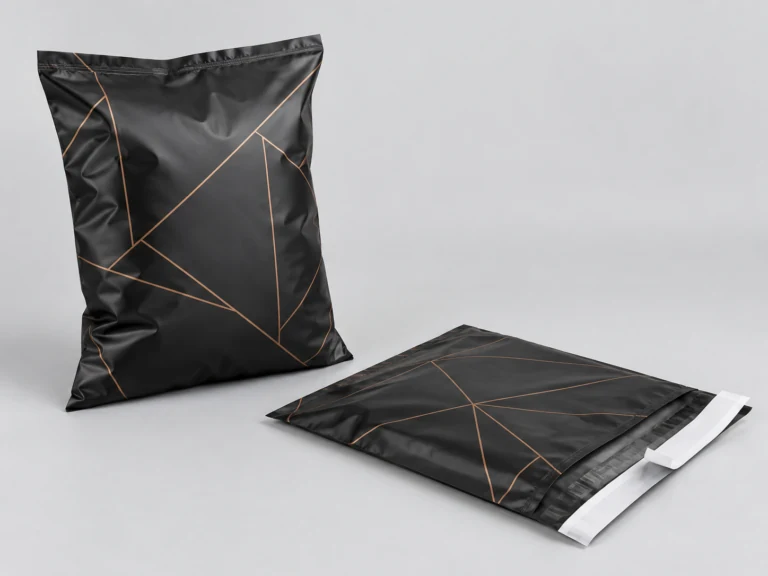
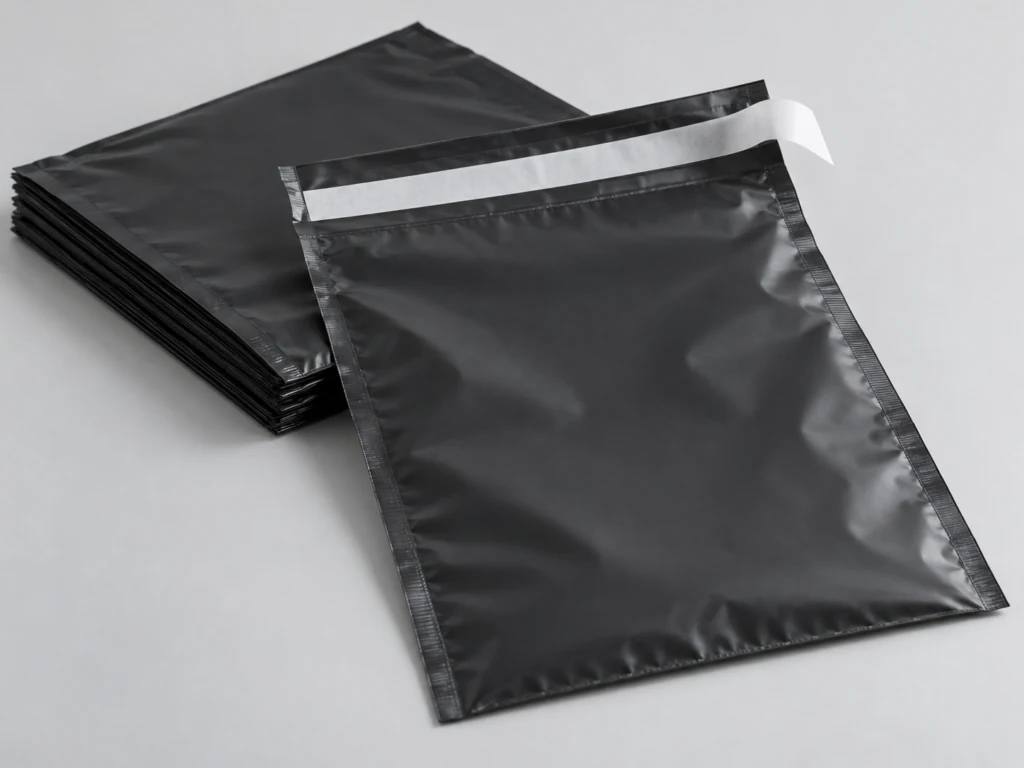
Lightweight and durable mailing bags for general non-fragile items.
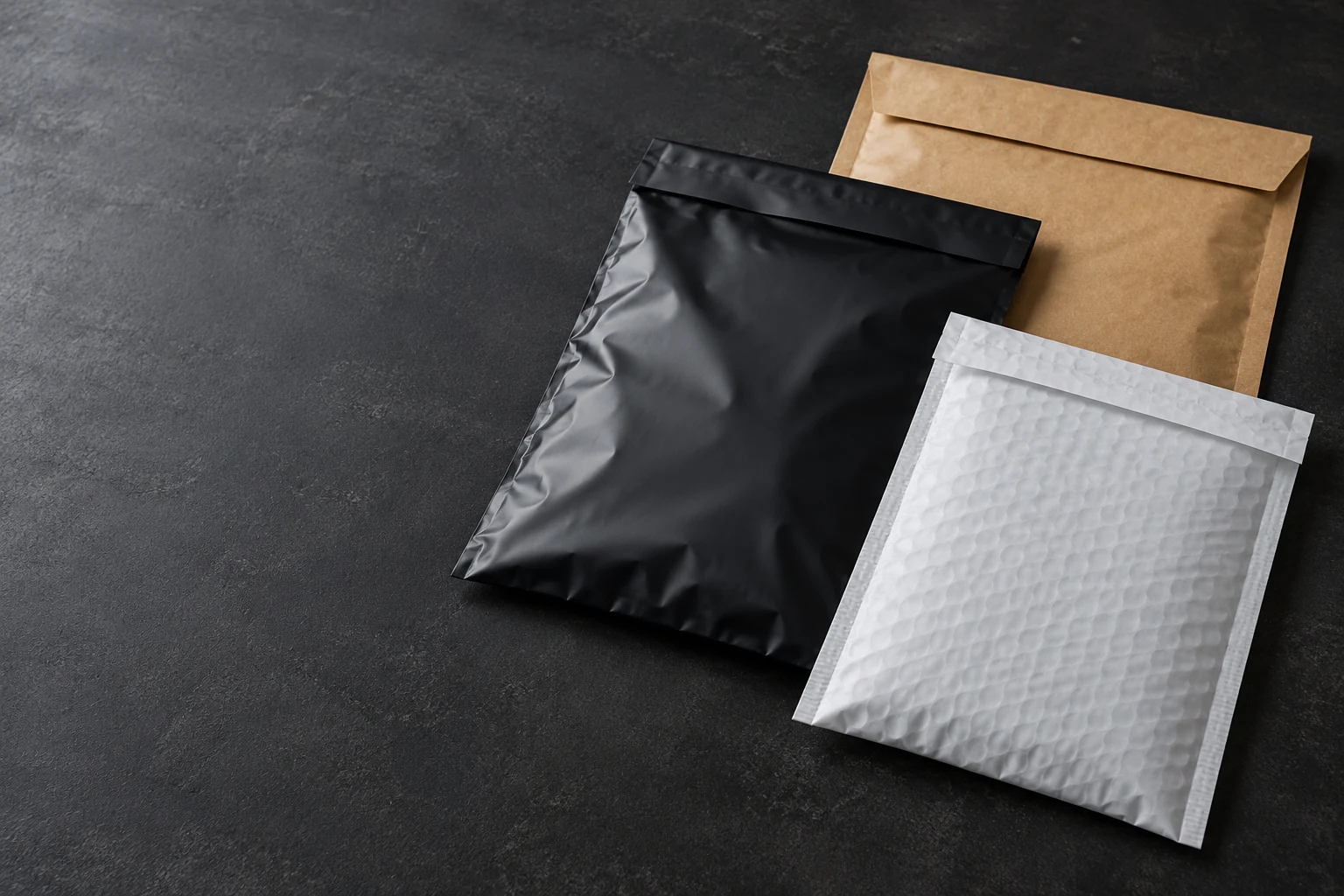
Poly, paper and padded mailers for retail, e-commerce and business. Choose the right construction, add your print and agree the specification for your supply.
Explore material selection, conversion and the production checks behind your packaging brief.
Confirm the film structure, appearance and specification.
Review artwork, seams and usable dimensions together.
Agree sample, inspection and packing references.
Different constructions for different dispatch needs. Compare the options below and view details to find the right mailer for your product, brand and delivery requirements.
Lightweight and durable mailing bags for general non-fragile items.

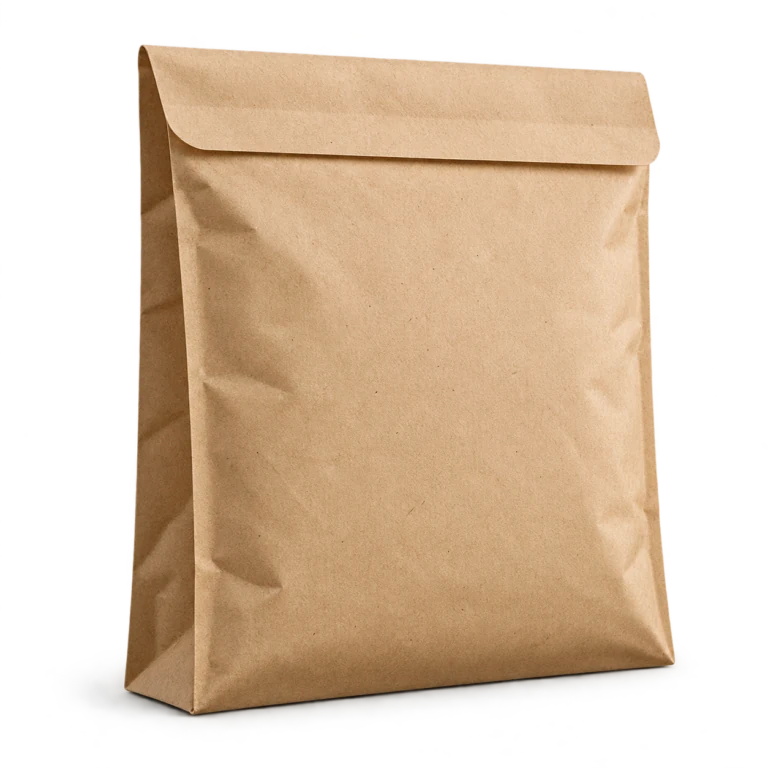
Paper-based mailing envelopes for apparel, accessories and lightweight retail items. Confirm the complete construction and protection requirements.
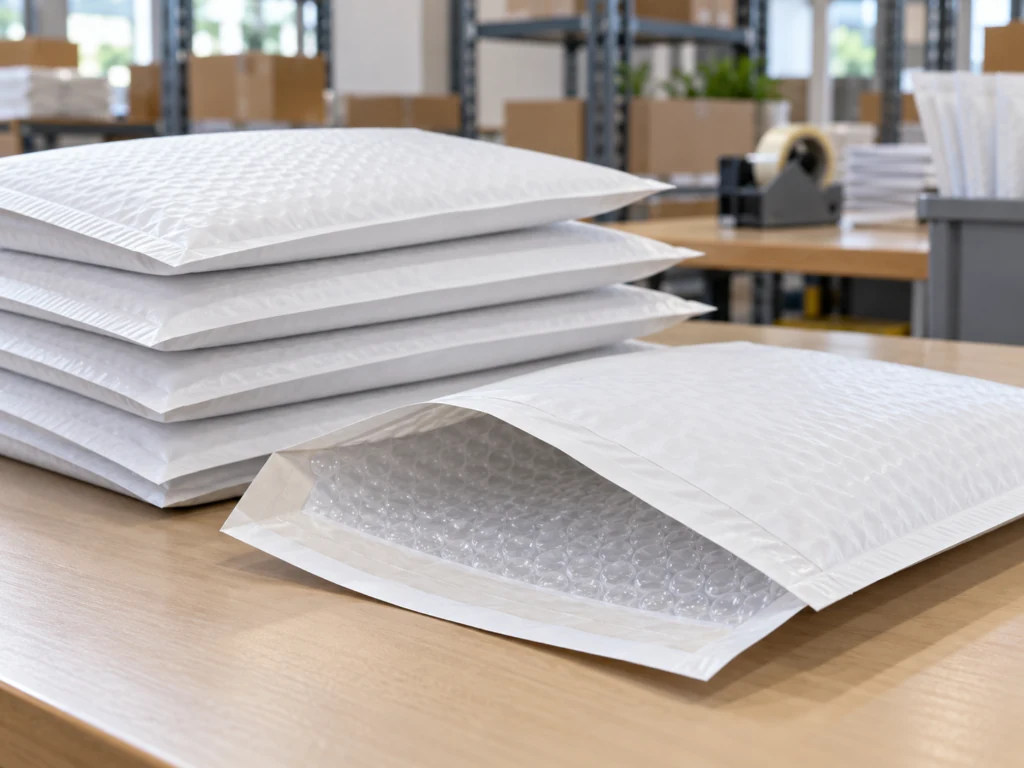
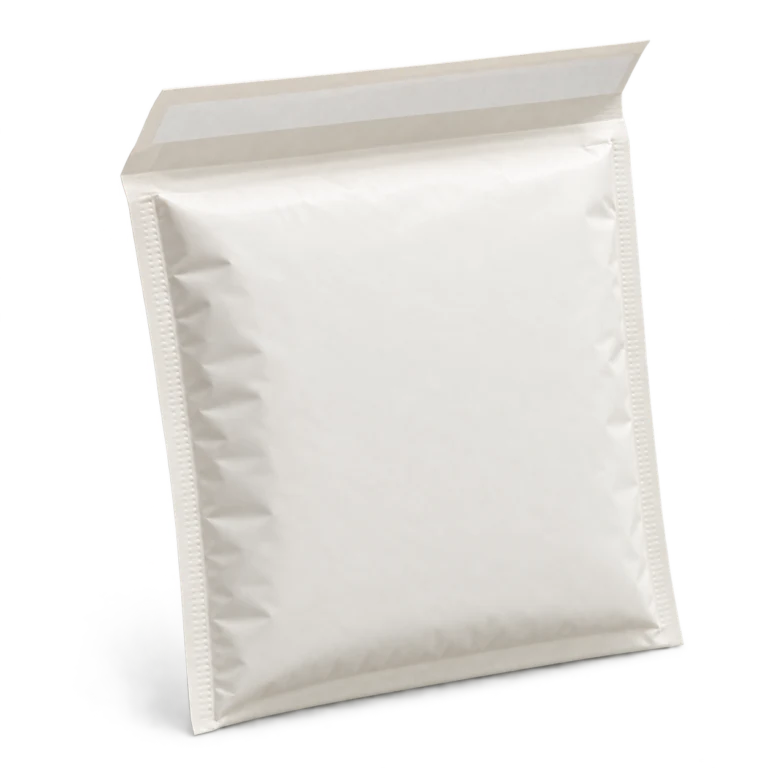
Cushioned outer mailers for items needing additional surface or impact protection. Validate the complete pack with representative products.
A side-by-side comparison to help you match your product, protection and branding needs.
| Feature | Poly mailers | Paper mailers | Padded mailers |
|---|---|---|---|
| Typical contents | Apparel, soft goods, non-fragile items | Apparel, accessories, lightweight retail items | Fragile items with suitable internal protection |
| Structure | Plastic film construction | Paper construction; layers to be confirmed | Outer mailer with internal cushioning |
| Closure | Self-sealing adhesive flap | Self-sealing adhesive flap | Self-sealing adhesive flap |
| Custom options | Size, thickness, colour, print | Size, paper type, colour, print | Size, cushioning type, print |
Consider fit, closure and print to create a mailing bag that works for your product and brand.
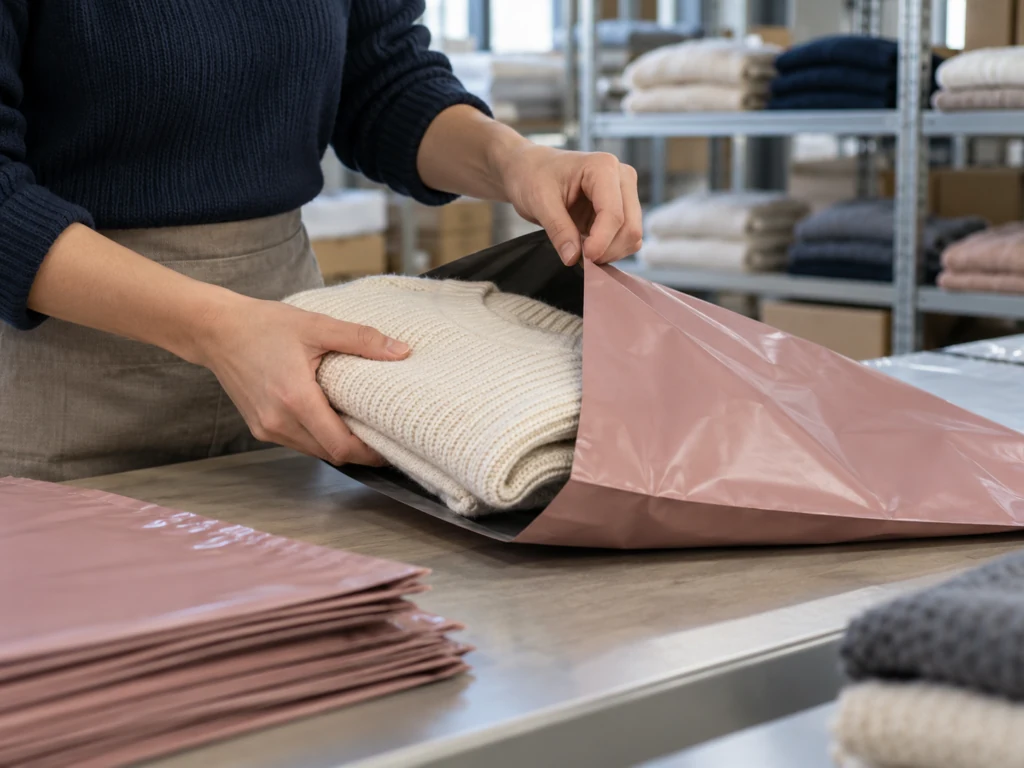
The right size helps protect your product, gives a neat presentation and can improve packing efficiency. Consider product dimensions, any additional packaging and how the parcel is handled.
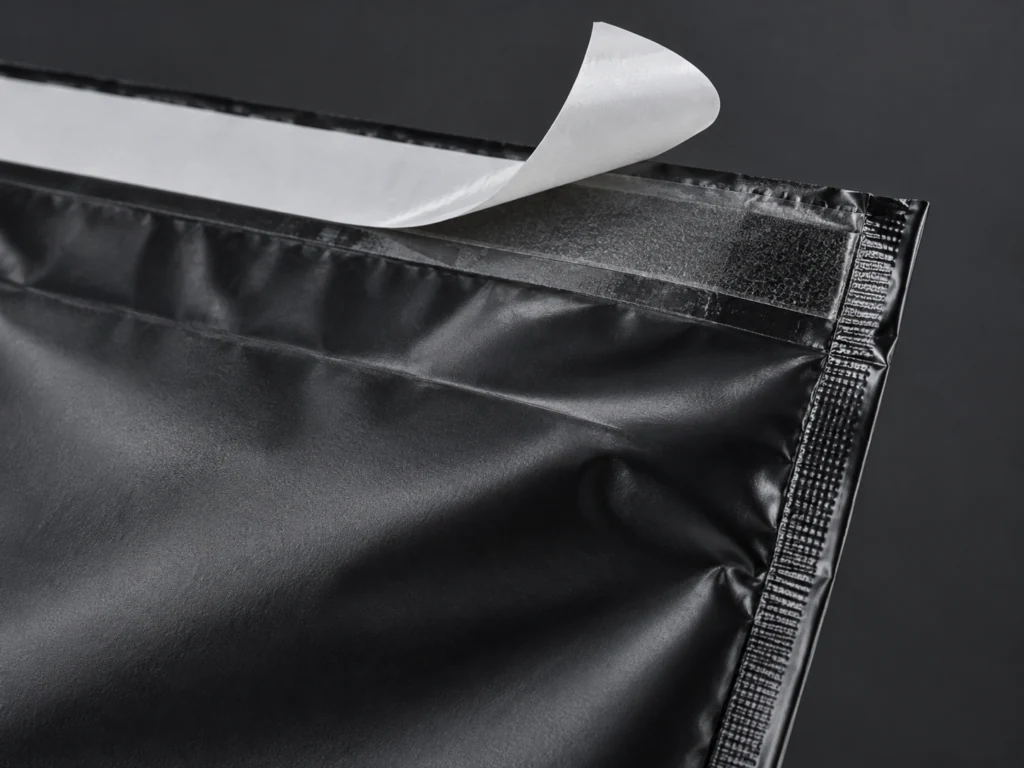
Review the adhesive flap and the way the bag is opened. Discuss permanent, resealable or return-ready closures against the intended use.
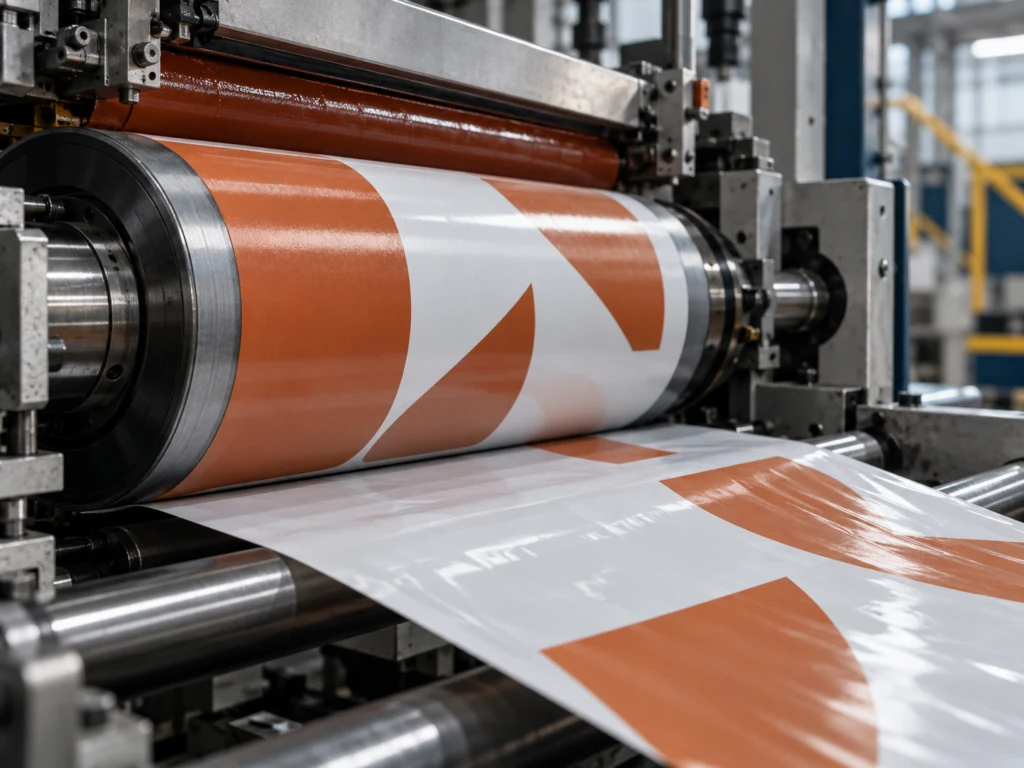
Brand artwork, shipping labels and handling information need to fit on the same flexible surface. Confirm the printable area and colour reference before approving artwork.
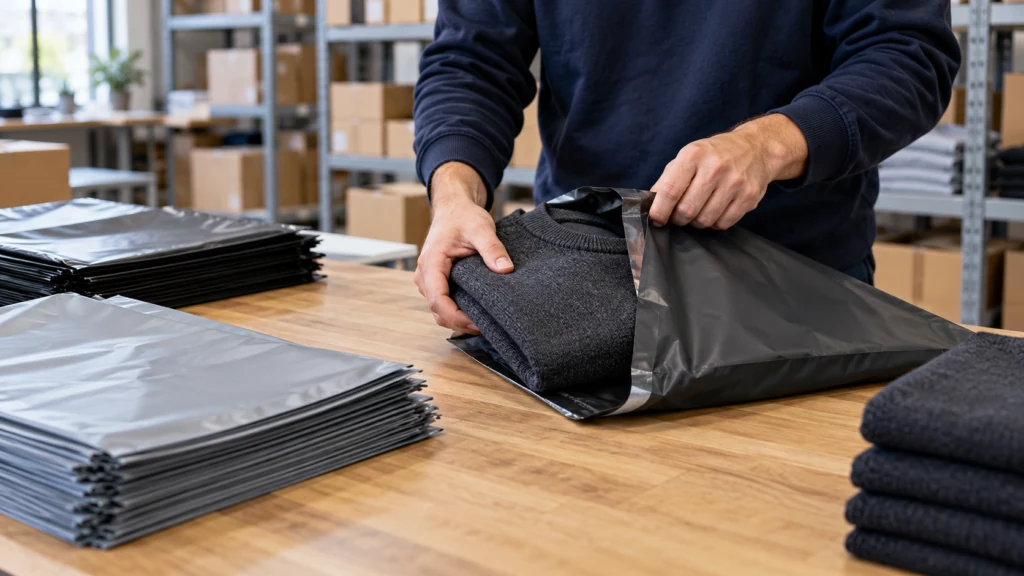
Start with your product. Consider the item size, shape and weight, and whether it needs a simple mailer or extra cushioning. Think about the delivery journey, including how the bag will be handled in your fulfilment process and by the carrier.
Next, define construction, closure and print. Allow for the flap when considering usable size and identify any regulatory or labelling requirements. Request samples to check fit, material and print before moving to a full order.
Postal bags, courier bags and mailing bags can describe overlapping products. The name alone does not define the material, strength or delivery network. Specify the contents, usable dimensions, closure and carrier requirements, then confirm the construction with a sample.
A bag for an individual parcel is also different from a reusable postal sack used to consolidate many parcels. Tell us whether you need an outer parcel mailer or a transport sack so the correct format can be reviewed.
Include each size, base colour and artwork version in your enquiry. For printed mailing bags, supply the design files, colour references, intended print sides and coverage, and identify any area that must remain clear for labels or sealing.
Feasibility, printing method, minimum quantity and setup charges depend on the final specification. Review a proof for placement and dimensions, then agree whether a physical printed sample is needed for colour, surface appearance and construction approval.
Choose around the packed product, weight, handling route and required appearance. Film thickness should be reviewed alongside material structure, opacity, seams and closure performance; a thicker film alone does not guarantee the right pack. State the thickness unit and whether you are referring to a single film wall.
Where no specification exists, share an existing bag or describe the performance you need. Compare proposed samples using the actual contents and agree the material, dimensions and acceptance criteria before placing the bulk order.
A stock sample helps you assess an existing format or material. A digital proof checks artwork positioning and layout, but does not demonstrate physical bag strength, colour on the actual film or packed fit. A custom physical sample or pre-production sample can address the agreed construction and print requirements.
State what you want to approve and which features must match production. Confirm sample availability, cost, quantity, timing and shipping separately, and keep the approved sample or proof linked to the final specification.
There is no single minimum that applies to every material, bag size and print design. Request the minimum and price for each specification, including whether quantities can be combined across sizes or artwork versions. Standard and custom printed formats may have different requirements.
For recurring supply, provide both the first order quantity and your expected reorder pattern. Compare unit prices together with setup charges, sample costs, carton quantities and delivery costs. The applicable minimum must be confirmed in the quotation.
Timing depends on the confirmed specification, material availability, quantity, print setup and the sample approval process. Artwork changes or revisions after approval can affect the schedule, so keep one agreed version of the brief and record when approval is complete.
Ask for sampling time, production time and transit time separately. If the bags are needed for a launch or promotion, include the required arrival date and destination in the first enquiry. The workable schedule and shipping arrangement should be confirmed before the order is placed.
Tell us about your product, size, quantity and destination. We will help you work through the next steps.