Right-sized packs
Choose dimensions around actual packed orders to avoid unnecessary space and material.

Mailing bags for efficient picking, packing and dispatch. Protect your products and your brand from warehouse to doorstep.
Choose dimensions around actual packed orders to avoid unnecessary space and material.
Keep products clean, protected and consistent with your brand from warehouse to customer.
Plan how the parcel will open and whether a return closure is required.
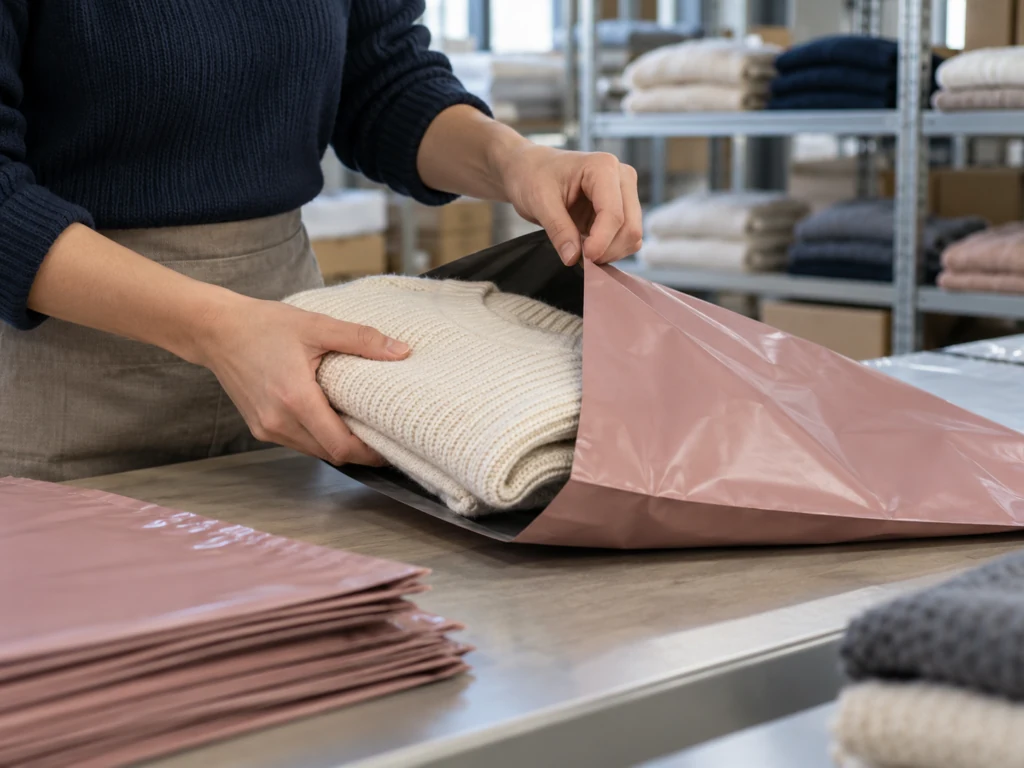
Lightweight mailers help keep clothing and fashion items clean and presentable through fulfilment. Review fit and protection on actual packed orders.
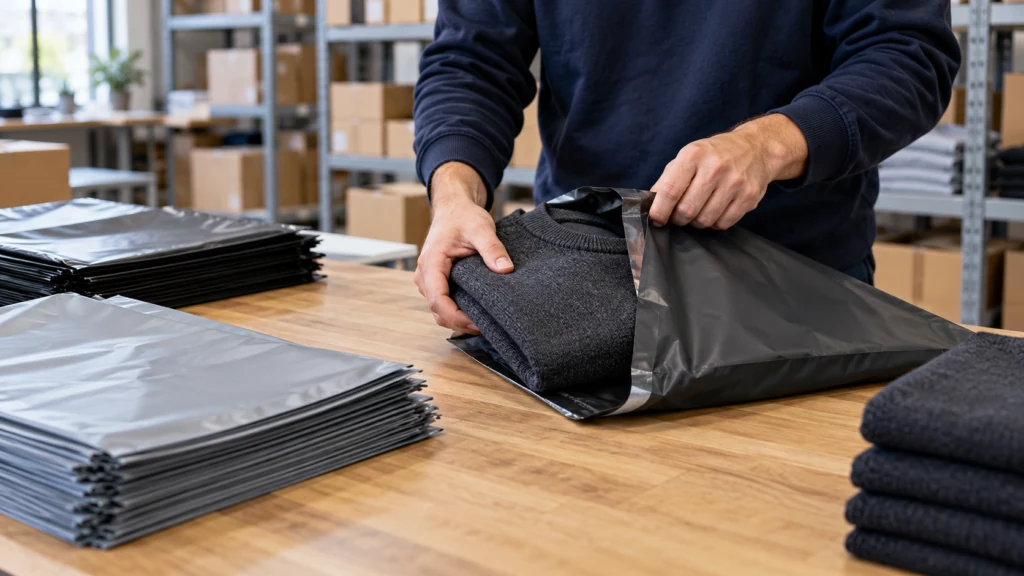
A mixed order can combine soft goods with rigid items. Use inner protection where needed and check corners and closure strain.
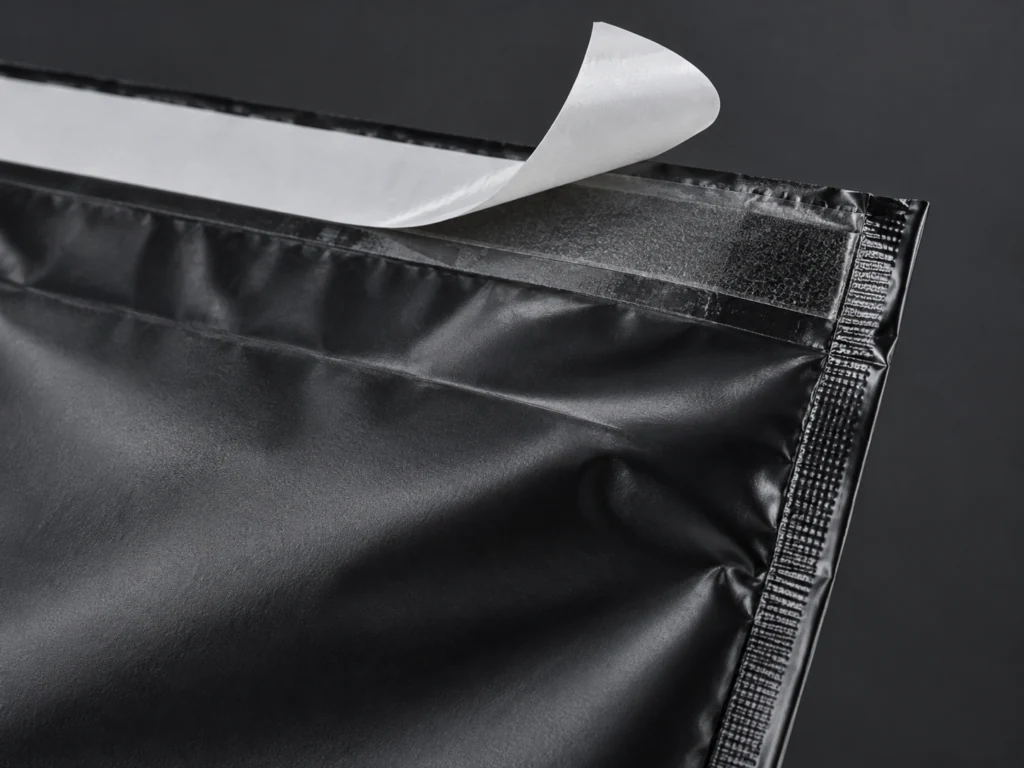
Agree an opening method and a second closure if the mailer must support a return journey. A standard single strip does not automatically make a reusable return pack.
Pick items from inventory and check them against the order.
Place products in the agreed mailer with any inner protection.
Close the flap and check the seal and seams.
Apply labels and prepare the parcel for the carrier.
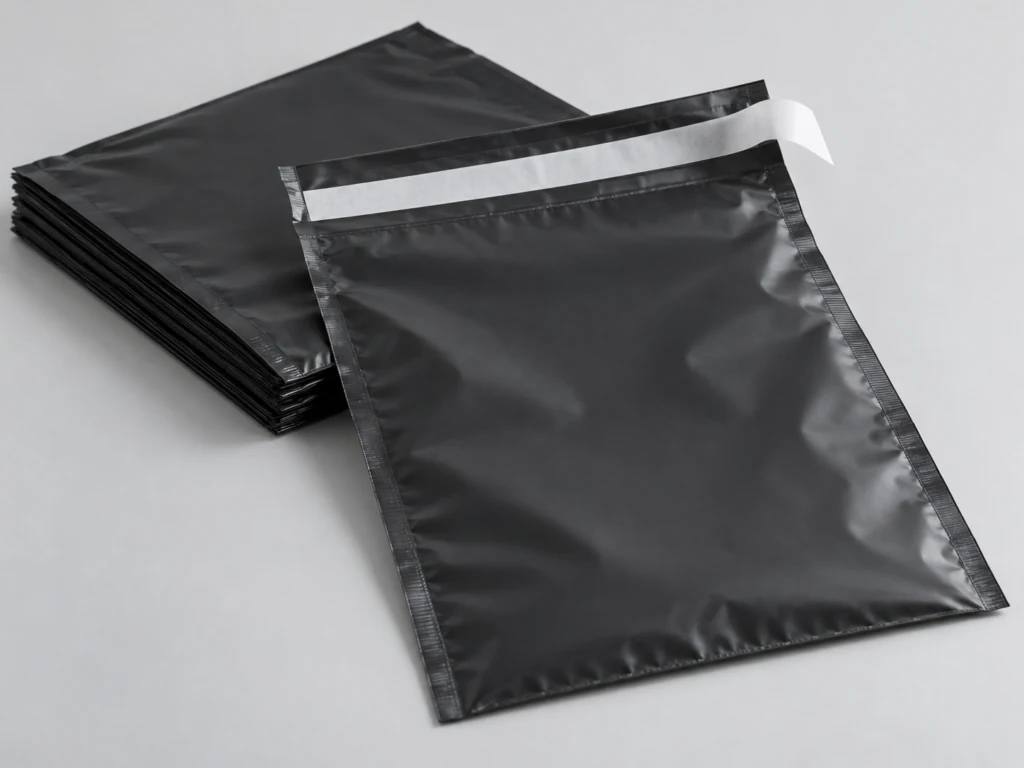
Lightweight and durable mailing bags for general non-fragile items.

Paper-based mailing envelopes for apparel, accessories and lightweight retail items. Confirm the complete construction and protection requirements.
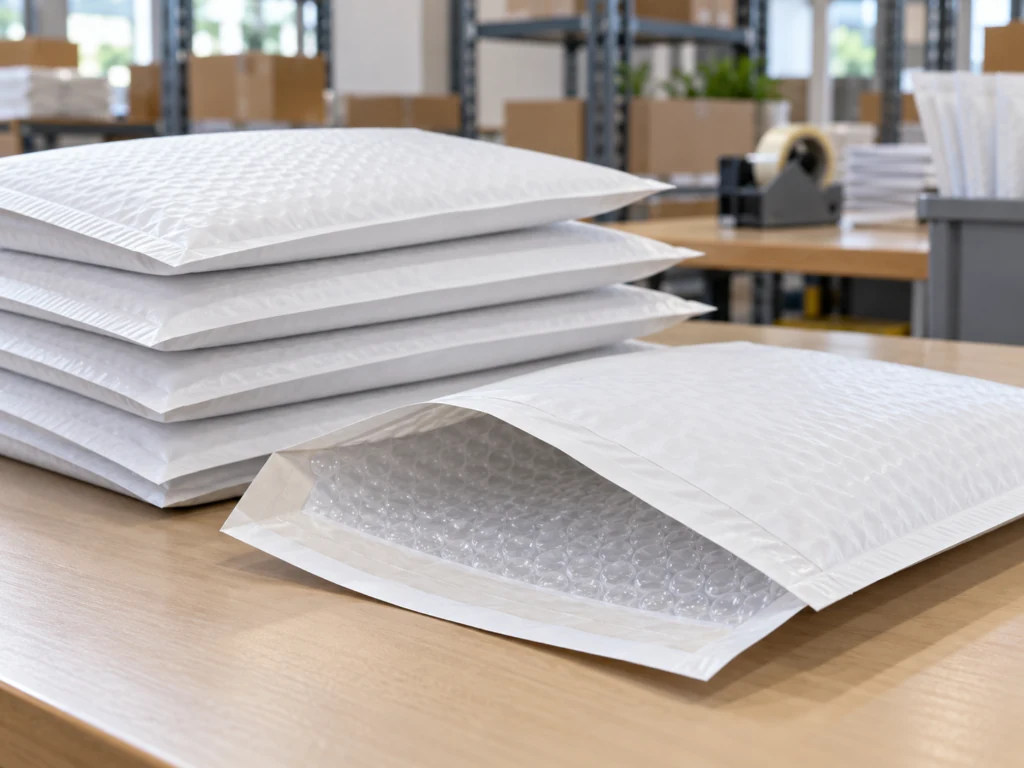
Cushioned outer mailers for items needing additional surface or impact protection. Validate the complete pack with representative products.
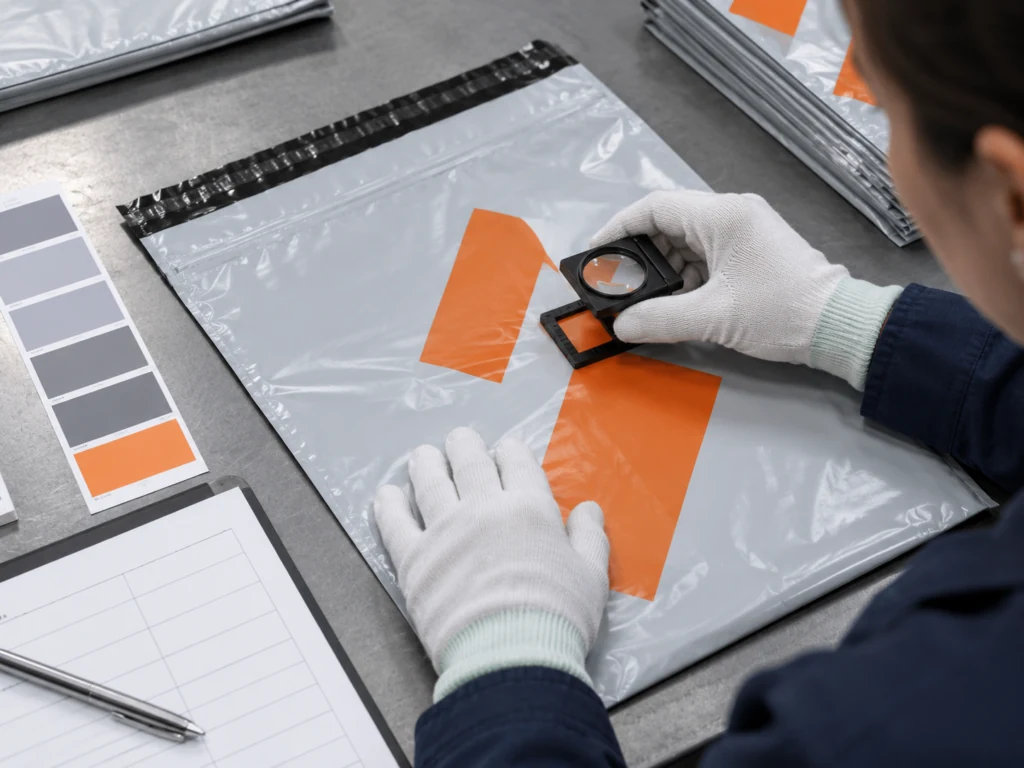
Start by defining typical contents, size, weight and protection needs. Consider how items are picked and packed in the warehouse, the mailer sizes used and whether tamper-evident or return features are needed.
Once a specification is agreed, test it in your fulfilment workflow. Trial mailers with real products, check label placement and readability, and review performance through the carrier network before wider rollout.
Agree quantity per bundle and carton, identification for each size or artwork, and the packing-list details needed by your receiving team. Provide the delivery address or destination, receiving requirements and any requested shipment split so these can be assessed in the quotation.
For repeat orders, refer to the approved specification, artwork revision and previous sample reference. Highlight any change in material, dimensions, quantity or delivery destination. Confirm current availability, pricing and timing for each reorder rather than assuming the previous terms still apply.
A stock sample helps you assess an existing format or material. A digital proof checks artwork positioning and layout, but does not demonstrate physical bag strength, colour on the actual film or packed fit. A custom physical sample or pre-production sample can address the agreed construction and print requirements.
State what you want to approve and which features must match production. Confirm sample availability, cost, quantity, timing and shipping separately, and keep the approved sample or proof linked to the final specification.
Start with the product you are packing, the usable bag width and length, closure flap, quantity per size and delivery destination. Add the material or thickness if known, plus print colours, artwork and any packing requirements. A photo of the packed item or an existing sample can help explain the application.
If the specification is still open, describe the product weight, dimensions and dispatch process. The quotation should identify the agreed specification, sample scope, setup charges and shipping basis so different options can be compared fairly.
Choose around the packed product, weight, handling route and required appearance. Film thickness should be reviewed alongside material structure, opacity, seams and closure performance; a thicker film alone does not guarantee the right pack. State the thickness unit and whether you are referring to a single film wall.
Where no specification exists, share an existing bag or describe the performance you need. Compare proposed samples using the actual contents and agree the material, dimensions and acceptance criteria before placing the bulk order.
There is no single minimum that applies to every material, bag size and print design. Request the minimum and price for each specification, including whether quantities can be combined across sizes or artwork versions. Standard and custom printed formats may have different requirements.
For recurring supply, provide both the first order quantity and your expected reorder pattern. Compare unit prices together with setup charges, sample costs, carton quantities and delivery costs. The applicable minimum must be confirmed in the quotation.
A flexible outer mailer provides no rigid structure by itself. Fragile products, sharp edges or concentrated loads may need a suitable inner box, cushioning or a different packaging format. Review the whole packed item and its handling route before deciding on a bag.
For heavier contents, specify the packed weight and discuss the film, seams and closure together. Evaluate a representative packed sample and agree any necessary handling or transit assessment rather than choosing only by bag dimensions or thickness.
Tell us about your product, size, quantity and destination. We will help you work through the next steps.