
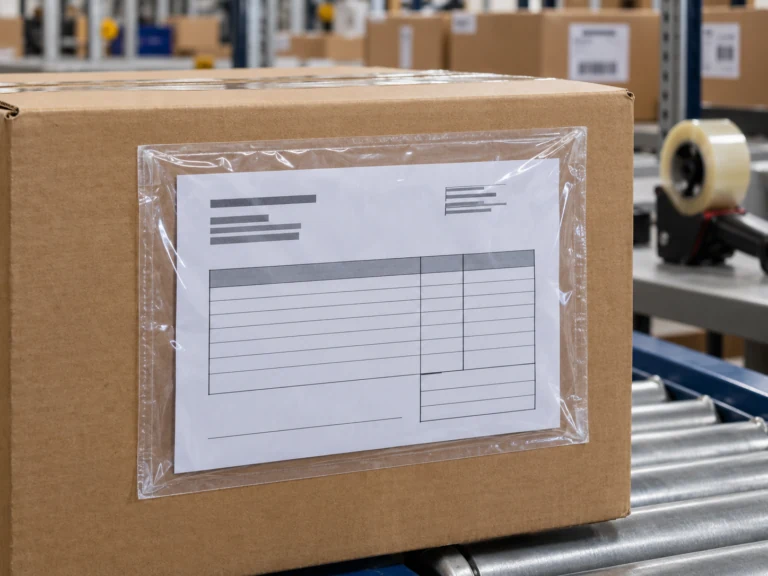
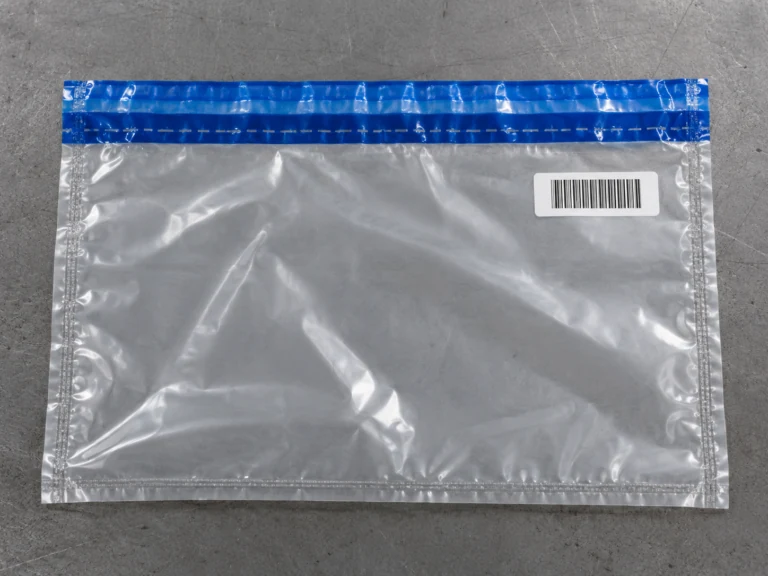


Components & hardware
Share the product dimensions, transit conditions and packing process. The appropriate material and pack must be confirmed for the intended application.

Specify the component, handling route and required protection. Discuss moisture, abrasion, identification and inner packing with the actual item.
Connect your product and fulfilment process with the right packaging specification and production checks.
Start with the contents and the actual dispatch route.
Match the construction to the packing workflow.
Validate fit, presentation and order requirements.
Share the product dimensions, transit conditions and packing process. The appropriate material and pack must be confirmed for the intended application.

Share the product dimensions, transit conditions and packing process. The appropriate material and pack must be confirmed for the intended application.

Share the product dimensions, transit conditions and packing process. The appropriate material and pack must be confirmed for the intended application.
Specify the component, handling route and required protection. Discuss moisture, abrasion, identification and inner packing with the actual item.
Agree the sample review criteria and identify any mandatory performance documentation before ordering.
Specify the component, handling route and required protection. Discuss moisture, abrasion, identification and inner packing with the actual item.
Describe the product, packed dimensions, weight, handling steps and destination. Explain how items are filled, stored, picked and delivered, and identify the failure you need to avoid.
Photos, a packing sample and the current specification help define a practical starting point.
Compare the required protection and presentation with the packing process. Consider closure, usable space, label visibility and handling efficiency together.
Validate the full combination of product, inner protection and outer packaging using representative samples.
It may be possible when product sizes and handling requirements are compatible. Group products by their actual packed dimensions and protection needs, then compare fit and material usage.
Confirm a sample for each important size or product variation; a shared appearance does not establish equal performance.
Agree the required performance, test conditions, acceptance criteria and supporting documentation before production. Food-contact, barrier, moisture or specialist requirements need separate assessment.
Confirm the exact construction and the evidence relevant to the intended use rather than relying on a general category description.
Tell us about your product, size, quantity and destination. We will help you work through the next steps.