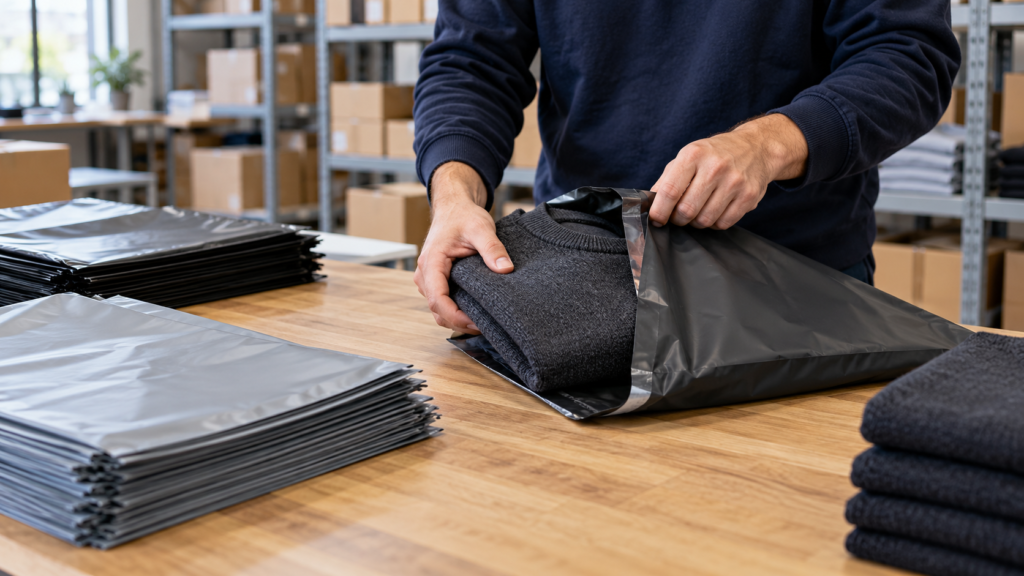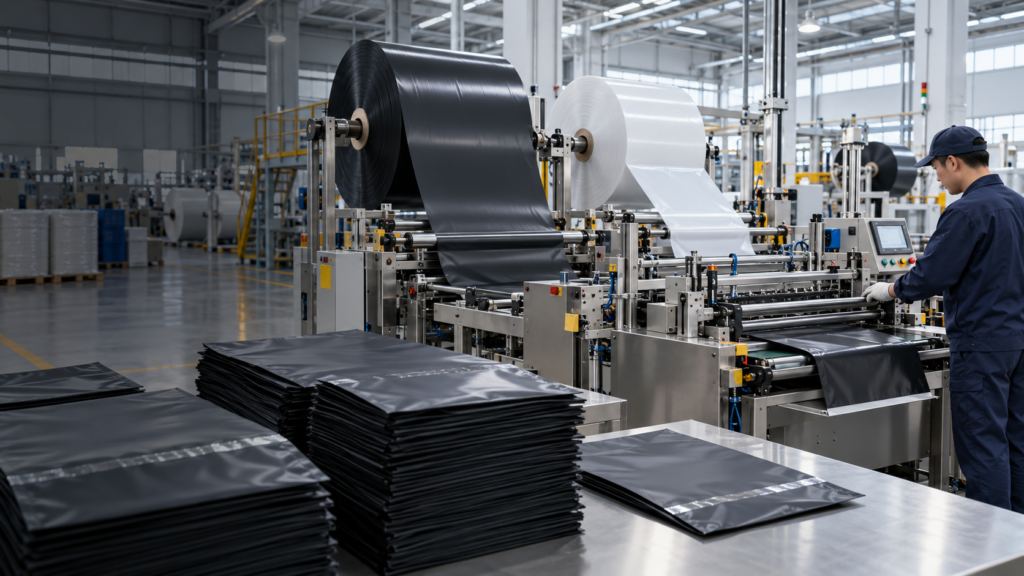
Materials and preparation
Identify the specified film and prepare it for printing and conversion.

From film preparation to finished bags, review the production steps and quality checks to agree for your order.
The images illustrate a packaging workflow. Verified facility details and equipment information will be confirmed with the business.
Identify the specified film and prepare it for printing and conversion.
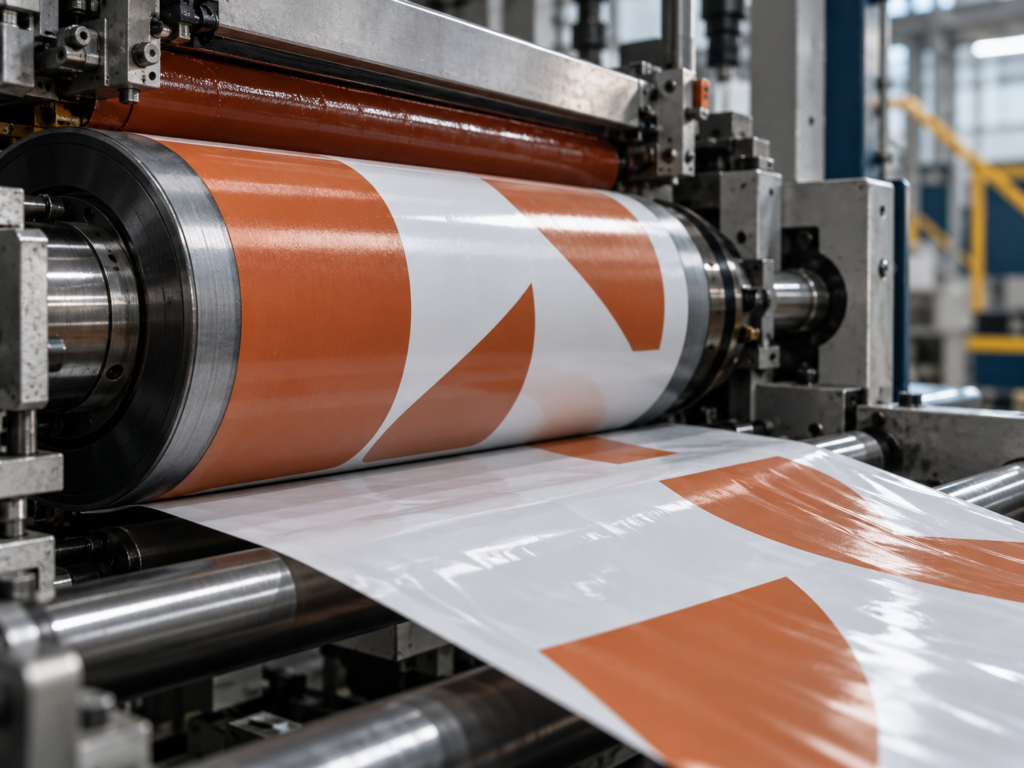
Use the approved artwork and converting reference for dimensions and seals.
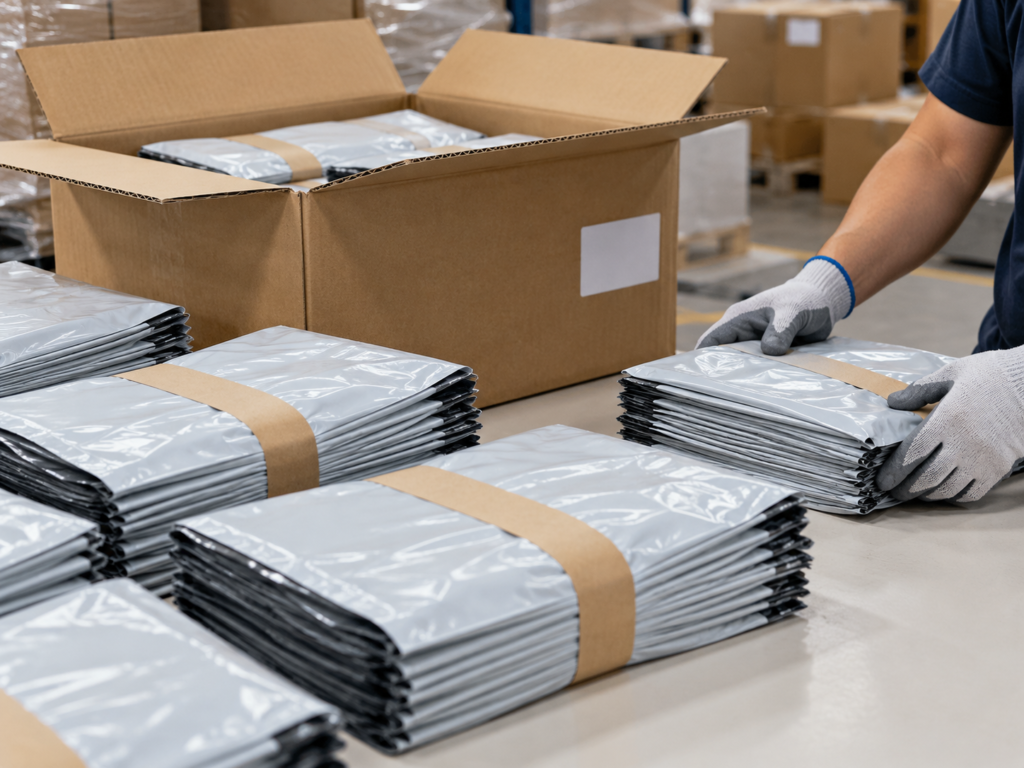
Check quantities, labels and packing against the order requirements.
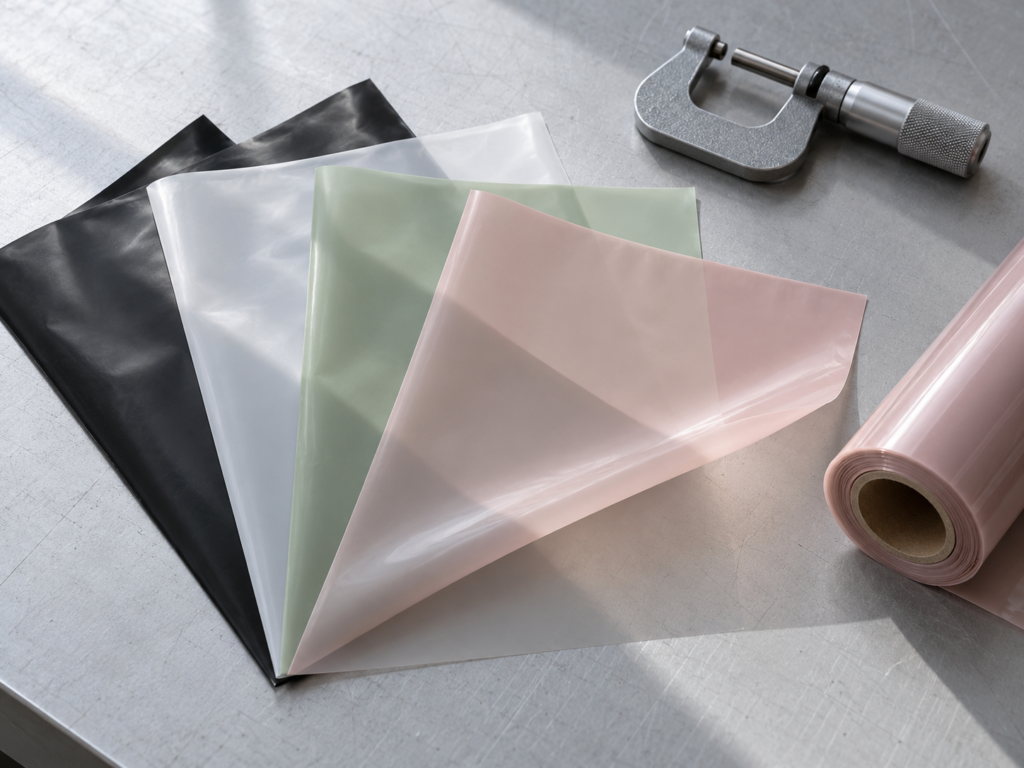
Check material identification and the approved construction.
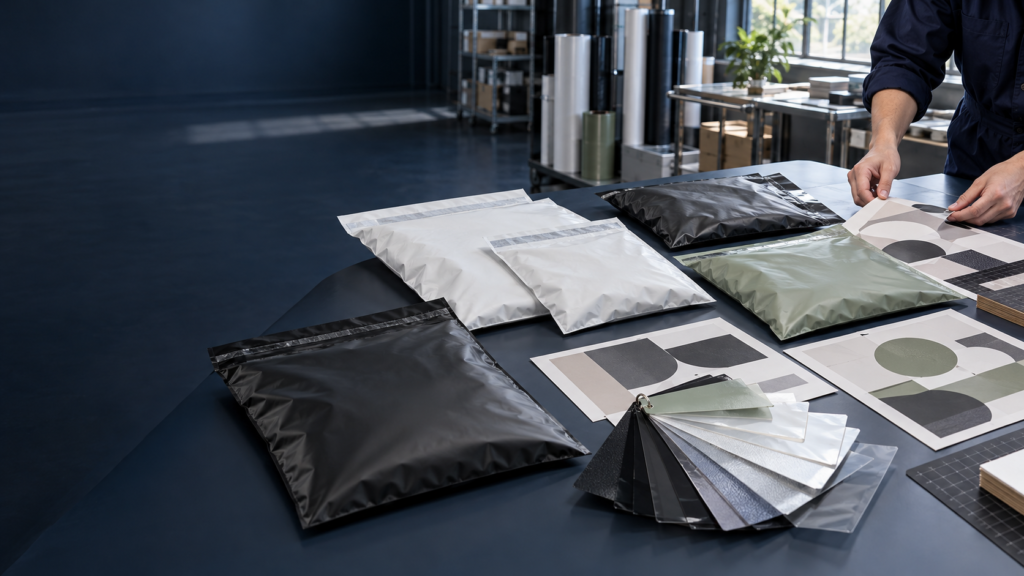
Confirm artwork, print position and the colour reference.
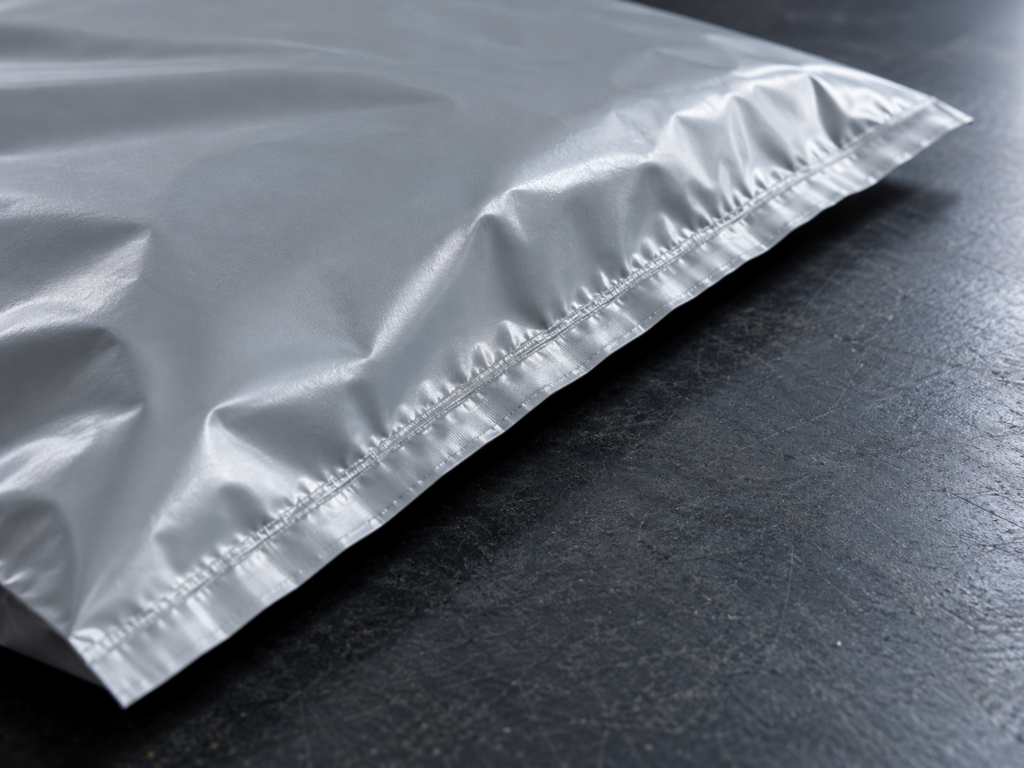
Convert the film into the agreed bag dimensions and closure.
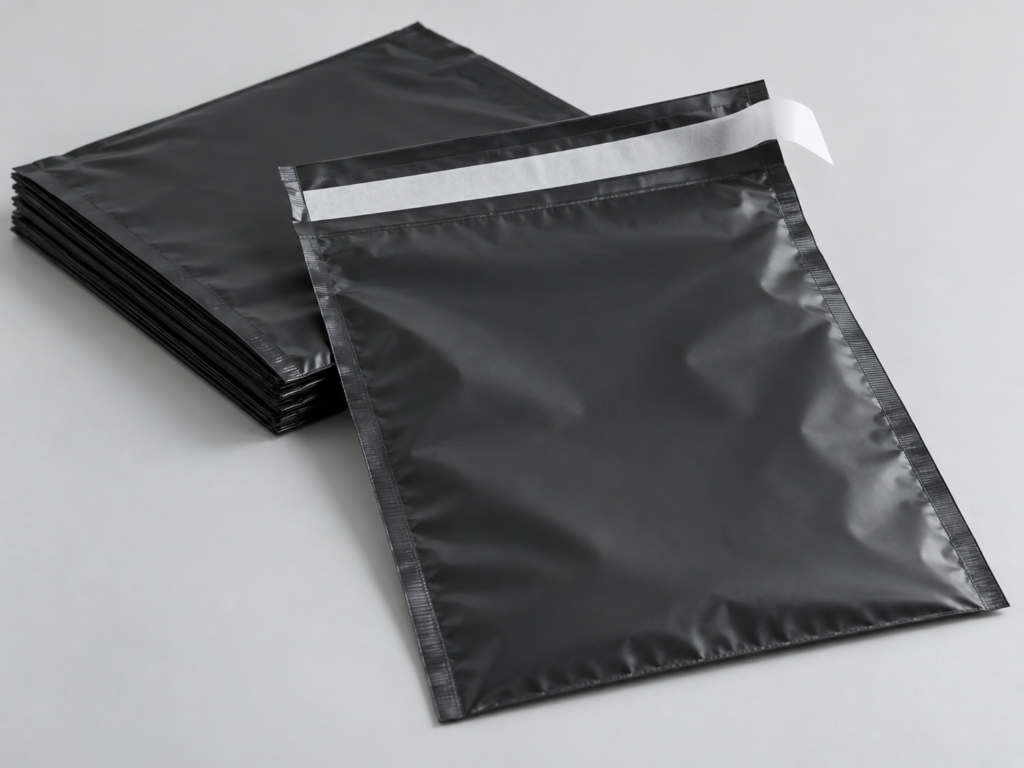
Count, bundle and pack against the dispatch specification.

Incoming materials are checked against the agreed specification before release to production.

Check representative bags during converting to identify variation while the order is being produced.

Review the final packing unit your receiving team will handle.
| Item | Checks to agree |
|---|---|
| Dimensions | Usable width, length, flap and any permitted tolerances. |
| Film | Material type, thickness, colours and surface finish. |
| Seal | Closure behaviour, seam width and continuity. |
| Artwork version, colour reference, placement and legibility. | |
| Packing | Quantity per pack, outer packaging, labels and carton details. |
Documents are supplied according to the agreed product and available evidence.

Discuss technical information and material statements relevant to the order.
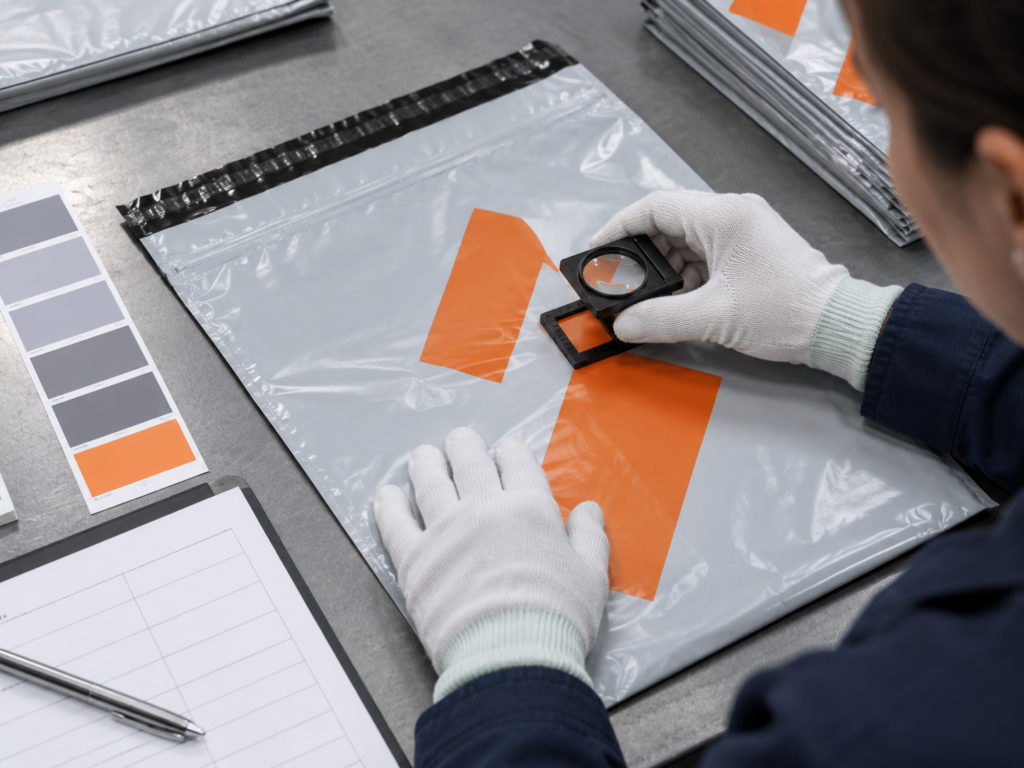
Retain agreed artwork, colour references and proof records.
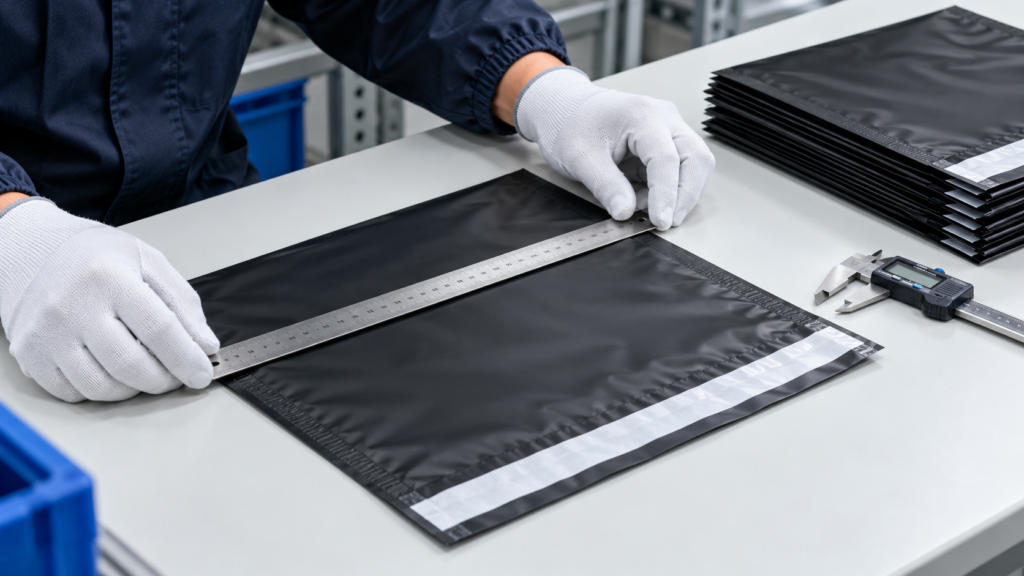
Agree which production and quality check records are required.
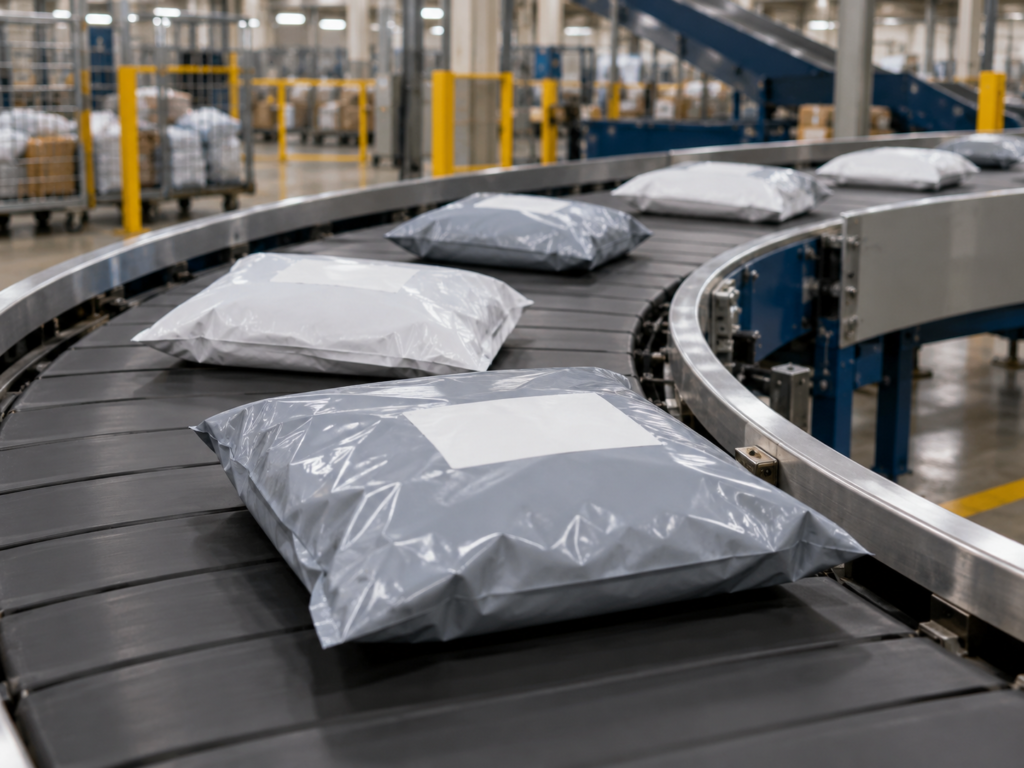
Confirm packing lists, labels and dispatch records.
Consistent quality starts with clearly defined specifications and a suitable production process. Material, process and finished-bag checks should refer to the same agreed requirements.
Quality control includes choosing materials, confirming setup, keeping records and reviewing changes. Agree the evidence needed for your order rather than assuming an unspecified certificate or inspection is included.
Define the characteristics that matter for your application: usable dimensions, film thickness, opacity, seam consistency, closure behaviour, print appearance and quantity. Link these to an approved specification or sample, with agreed measurement methods and tolerances where relevant.
If your purchasing team needs inspection records, third-party checks or supporting documents, request them before ordering. Confirm the scope and acceptance criteria for that order; do not assume a certificate, test result or inspection service is included without confirmation.
Choose around the packed product, weight, handling route and required appearance. Film thickness should be reviewed alongside material structure, opacity, seams and closure performance; a thicker film alone does not guarantee the right pack. State the thickness unit and whether you are referring to a single film wall.
Where no specification exists, share an existing bag or describe the performance you need. Compare proposed samples using the actual contents and agree the material, dimensions and acceptance criteria before placing the bulk order.
Include the requested recycled-content proportion and the evidence required by your purchasing team. Ask how the claim is defined and which documentation supports the proposed material. Colour, appearance and performance should be reviewed on a representative sample.
Recycled content and recyclability describe different things. Do not add disposal wording or environmental claims based only on a bag colour or appearance; confirm the material information and the collection guidance relevant to the destination before finalising printed messaging.
A stock sample helps you assess an existing format or material. A digital proof checks artwork positioning and layout, but does not demonstrate physical bag strength, colour on the actual film or packed fit. A custom physical sample or pre-production sample can address the agreed construction and print requirements.
State what you want to approve and which features must match production. Confirm sample availability, cost, quantity, timing and shipping separately, and keep the approved sample or proof linked to the final specification.
Timing depends on the confirmed specification, material availability, quantity, print setup and the sample approval process. Artwork changes or revisions after approval can affect the schedule, so keep one agreed version of the brief and record when approval is complete.
Ask for sampling time, production time and transit time separately. If the bags are needed for a launch or promotion, include the required arrival date and destination in the first enquiry. The workable schedule and shipping arrangement should be confirmed before the order is placed.
Agree quantity per bundle and carton, identification for each size or artwork, and the packing-list details needed by your receiving team. Provide the delivery address or destination, receiving requirements and any requested shipment split so these can be assessed in the quotation.
For repeat orders, refer to the approved specification, artwork revision and previous sample reference. Highlight any change in material, dimensions, quantity or delivery destination. Confirm current availability, pricing and timing for each reorder rather than assuming the previous terms still apply.
Tell us about your product, size, quantity and destination. We will help you work through the next steps.