Brands
Build a consistent presentation with agreed sizes, materials and print references.
- Custom size and print requirements.
- Packaging that fits the product.
- A clear route from sample to order.

A practical approach to specifying custom mailing bags: work through material, size, print and performance with your product and packing process in mind.
Build a consistent presentation with agreed sizes, materials and print references.

Specify a manageable range for your customers and receiving requirements.
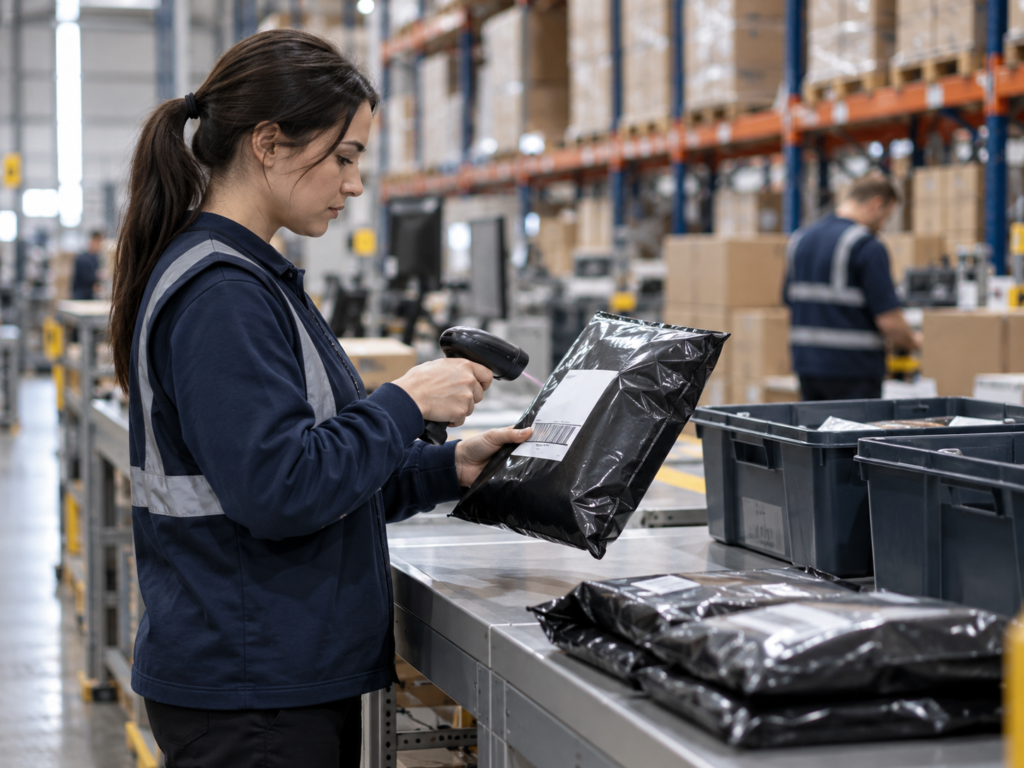
Match bags to the pick-and-pack workflow and delivery journey.
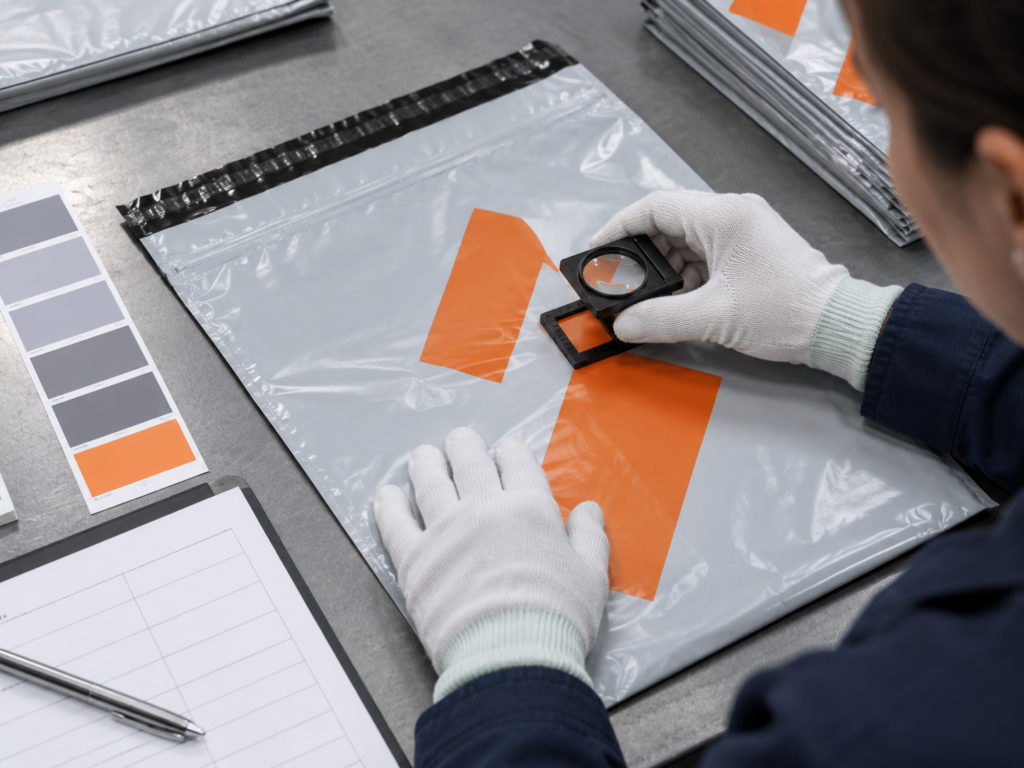
Confirm material, size and print on the agreed reference.
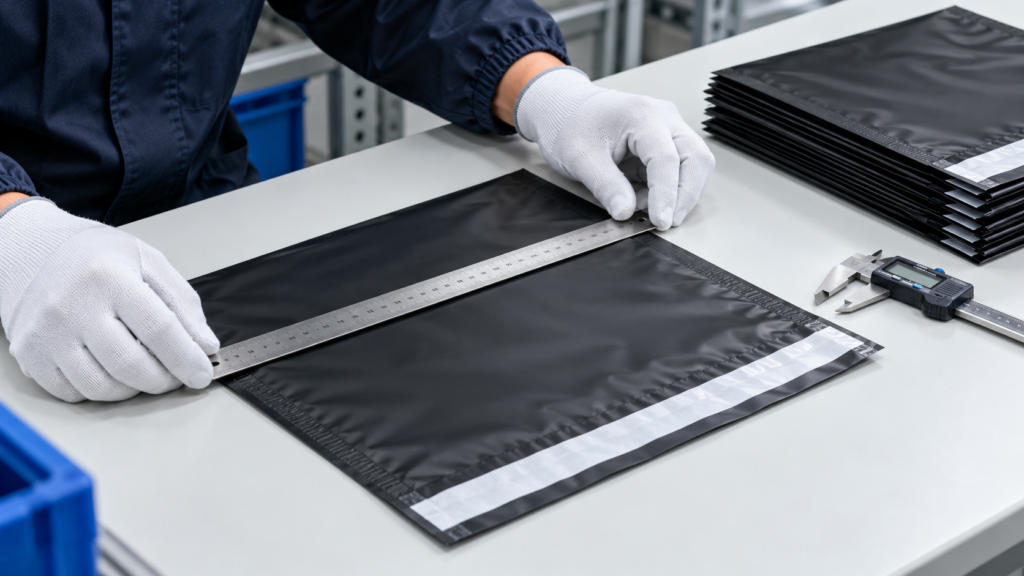
Align specifications, approval points and order requirements.
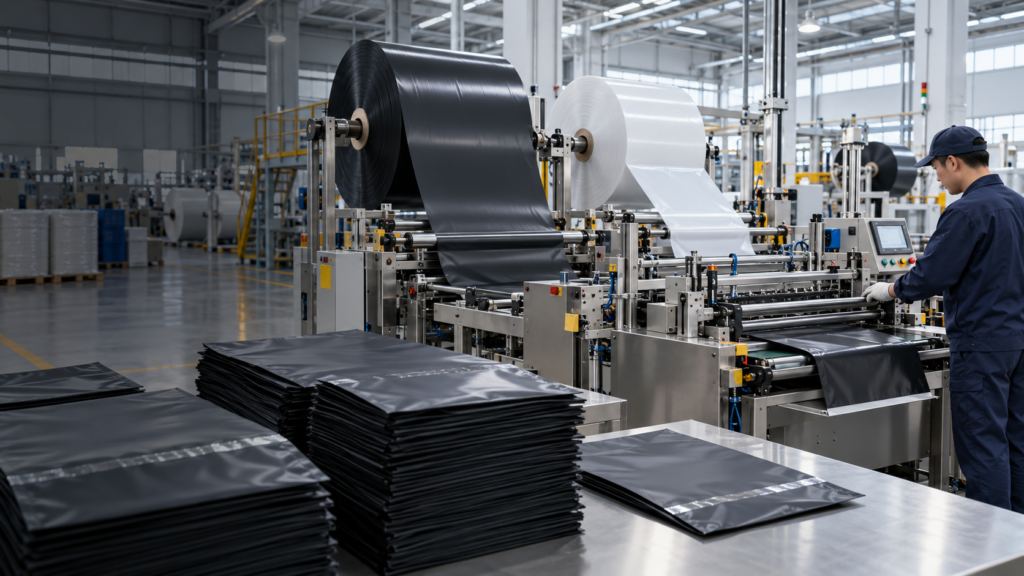
Keep the process clear and collaborative, from an initial idea to an agreed order. Review requirements, test options and retain the specification for future supply.
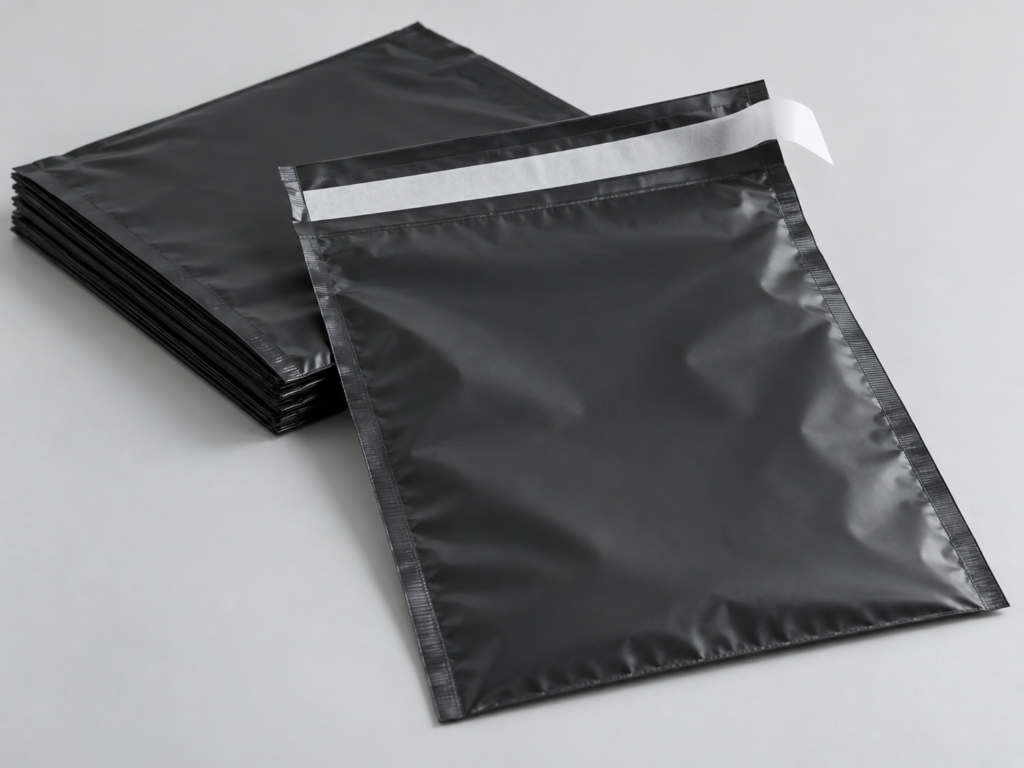
The current website is designed around self-sealing mailing bags and related flexible packaging for business use. Actual supply scope, company identity and manufacturing evidence will be confirmed with the business.
Product families and materials shown here provide a framework for procurement discussions. They do not establish that every format or material is supplied by the company.
Choosing a packaging partner involves clear communication, an agreed specification and evidence appropriate to the product. Begin with the item, workflow and protection needs, then assess the options together.
Whether you are reviewing a new launch or a repeat order, keep a clear record of dimensions, materials, artwork and sample approval. Identify uncertainties early so they can be resolved before production.
Start with the product you are packing, the usable bag width and length, closure flap, quantity per size and delivery destination. Add the material or thickness if known, plus print colours, artwork and any packing requirements. A photo of the packed item or an existing sample can help explain the application.
If the specification is still open, describe the product weight, dimensions and dispatch process. The quotation should identify the agreed specification, sample scope, setup charges and shipping basis so different options can be compared fairly.
Include each size, base colour and artwork version in your enquiry. For printed mailing bags, supply the design files, colour references, intended print sides and coverage, and identify any area that must remain clear for labels or sealing.
Feasibility, printing method, minimum quantity and setup charges depend on the final specification. Review a proof for placement and dimensions, then agree whether a physical printed sample is needed for colour, surface appearance and construction approval.
Choose around the packed product, weight, handling route and required appearance. Film thickness should be reviewed alongside material structure, opacity, seams and closure performance; a thicker film alone does not guarantee the right pack. State the thickness unit and whether you are referring to a single film wall.
Where no specification exists, share an existing bag or describe the performance you need. Compare proposed samples using the actual contents and agree the material, dimensions and acceptance criteria before placing the bulk order.
A stock sample helps you assess an existing format or material. A digital proof checks artwork positioning and layout, but does not demonstrate physical bag strength, colour on the actual film or packed fit. A custom physical sample or pre-production sample can address the agreed construction and print requirements.
State what you want to approve and which features must match production. Confirm sample availability, cost, quantity, timing and shipping separately, and keep the approved sample or proof linked to the final specification.
There is no single minimum that applies to every material, bag size and print design. Request the minimum and price for each specification, including whether quantities can be combined across sizes or artwork versions. Standard and custom printed formats may have different requirements.
For recurring supply, provide both the first order quantity and your expected reorder pattern. Compare unit prices together with setup charges, sample costs, carton quantities and delivery costs. The applicable minimum must be confirmed in the quotation.
Timing depends on the confirmed specification, material availability, quantity, print setup and the sample approval process. Artwork changes or revisions after approval can affect the schedule, so keep one agreed version of the brief and record when approval is complete.
Ask for sampling time, production time and transit time separately. If the bags are needed for a launch or promotion, include the required arrival date and destination in the first enquiry. The workable schedule and shipping arrangement should be confirmed before the order is placed.
Tell us about your product, size, quantity and destination. We will help you work through the next steps.